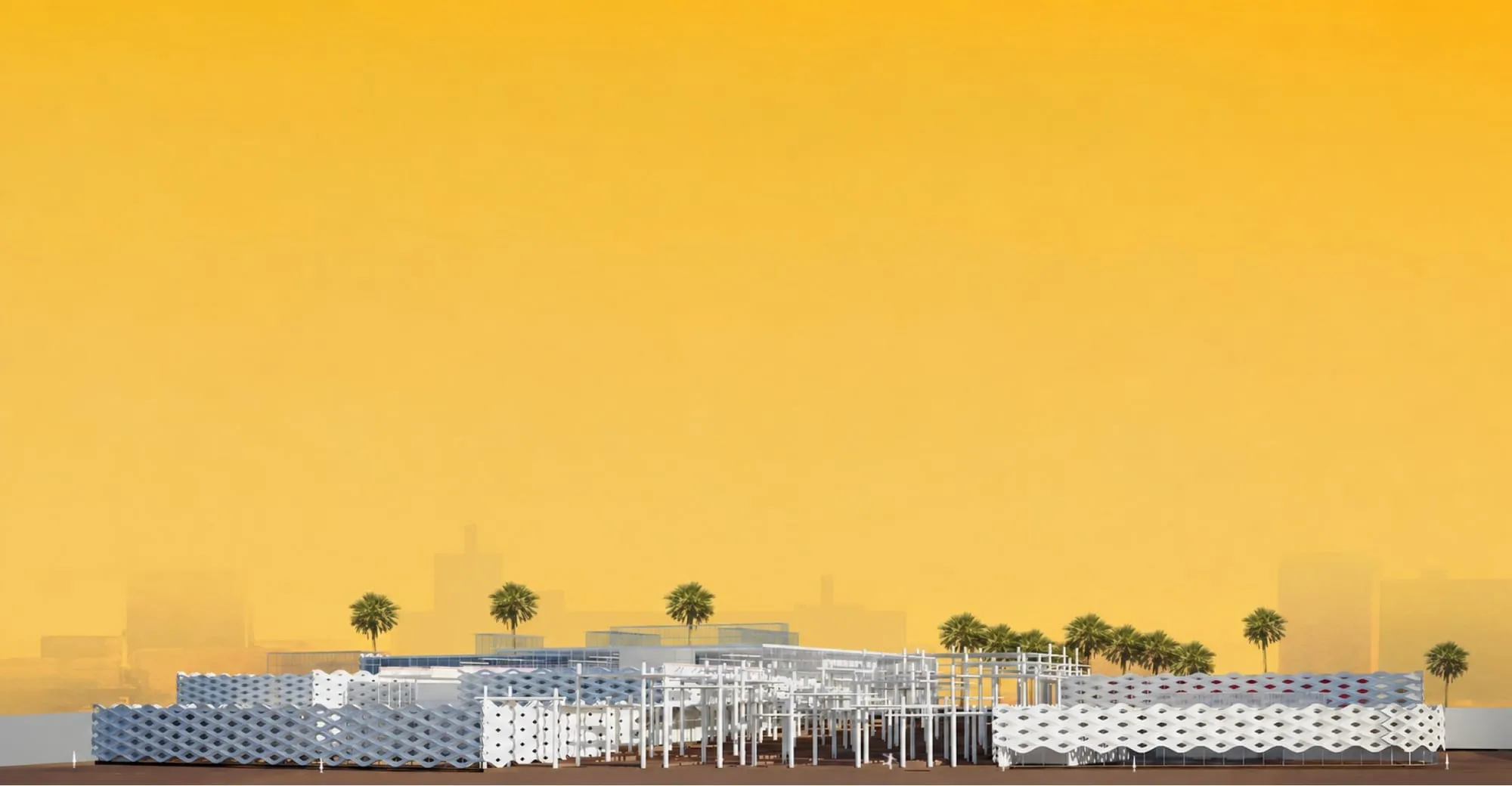
Project
71% of the Earth's surface is covered in water, but only 2.5% of it is drinkable. Around 300 million people already rely on desalinated water — yet desalination produces a concentrated brine that is often pumped back into the sea. This thesis turns that waste into architecture: it investigates salt from desalination as a building component and revives vernacular cooling systems to build environmentally positive communities.
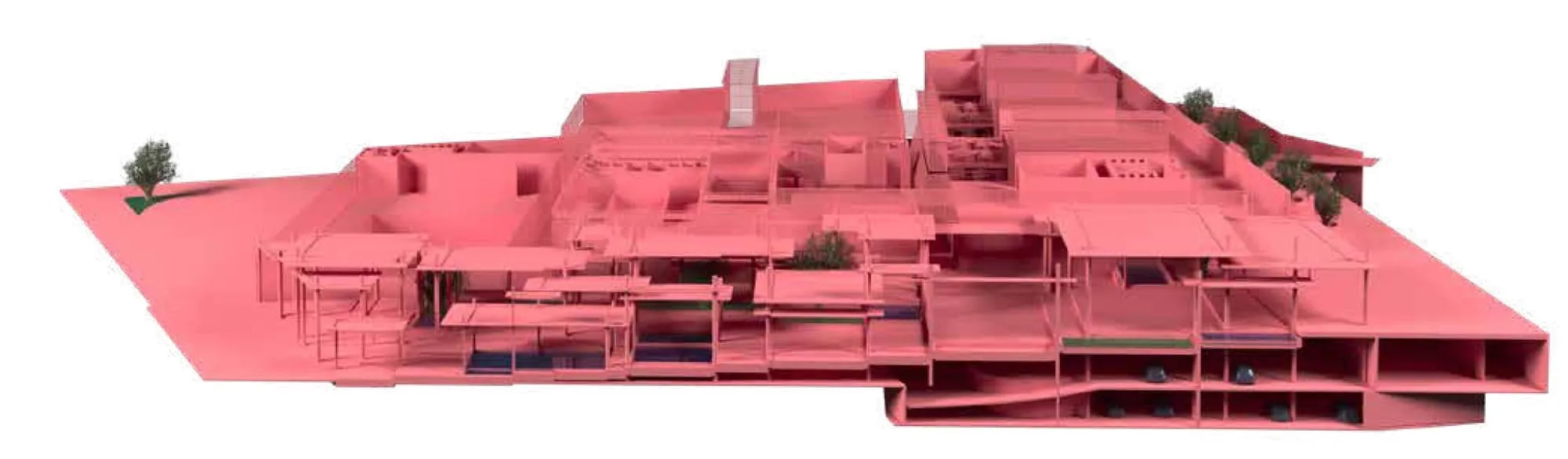
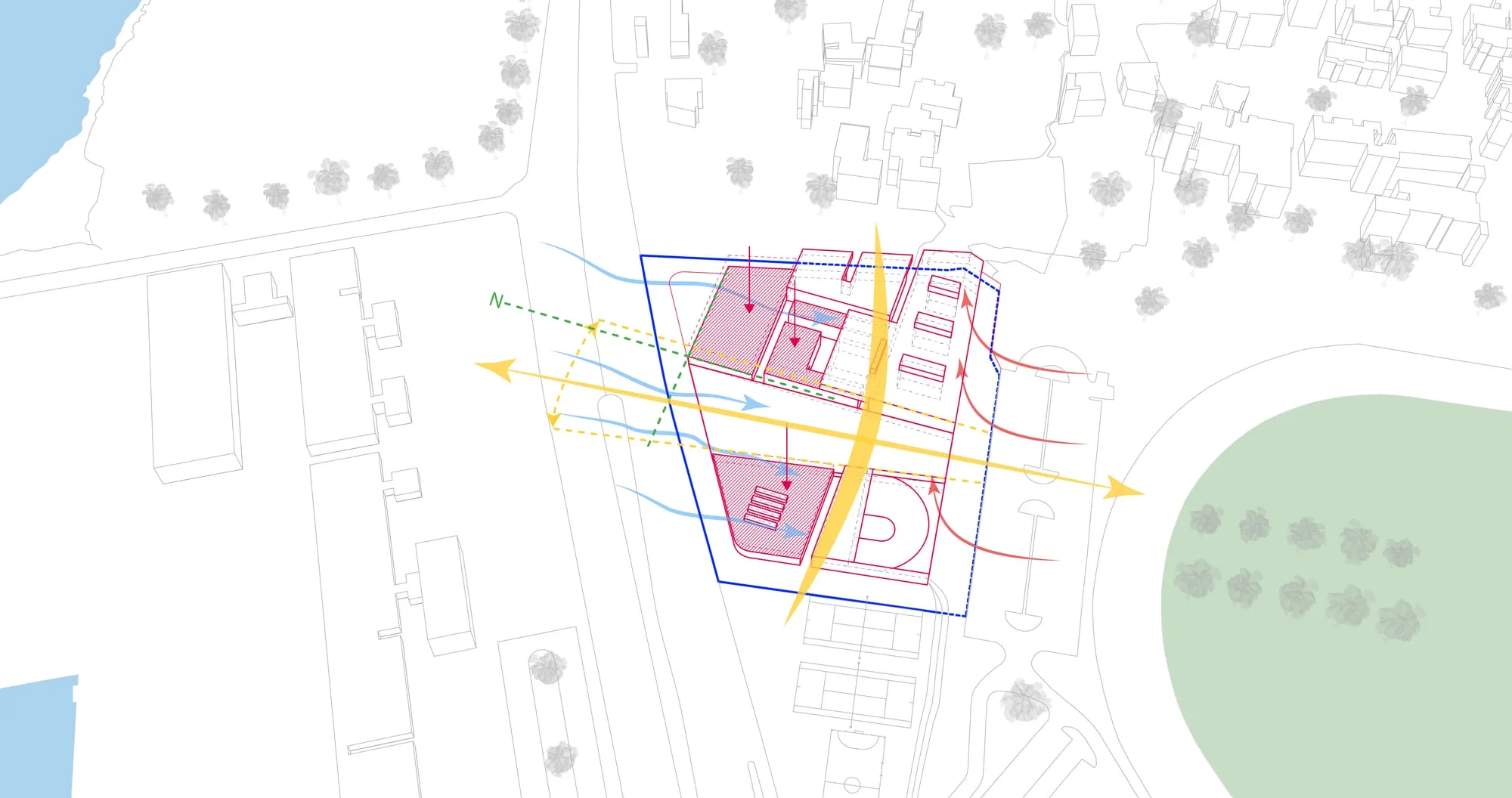
Libya is going through a period of change, and water scarcity is one of its biggest concerns. New desalination plants add drinking water but also salt waste. A community centre in Tripoli's green belt explores salt as an abundant, cradle-to-cradle material with a low carbon footprint, with space for culture, sport and commerce.
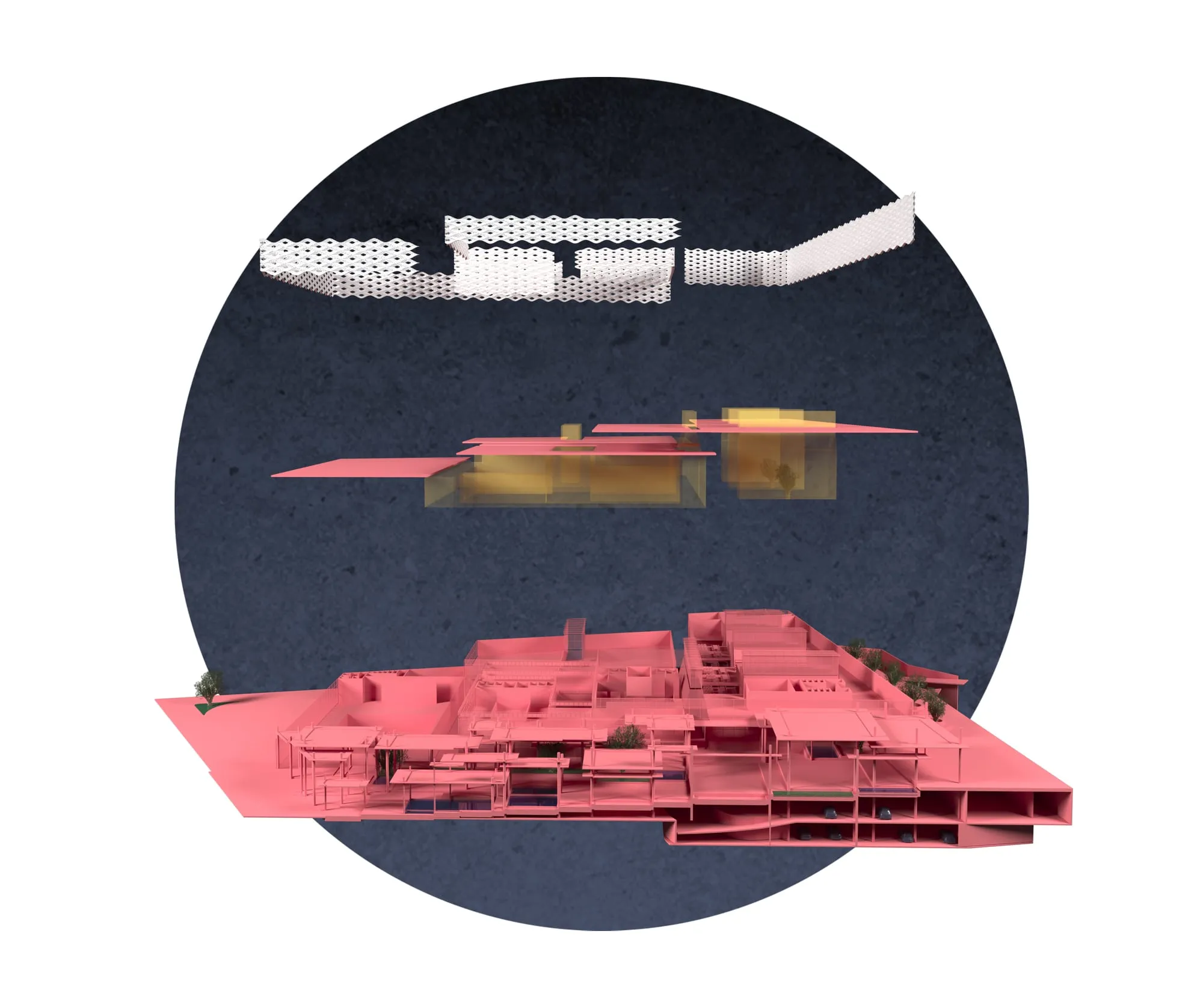
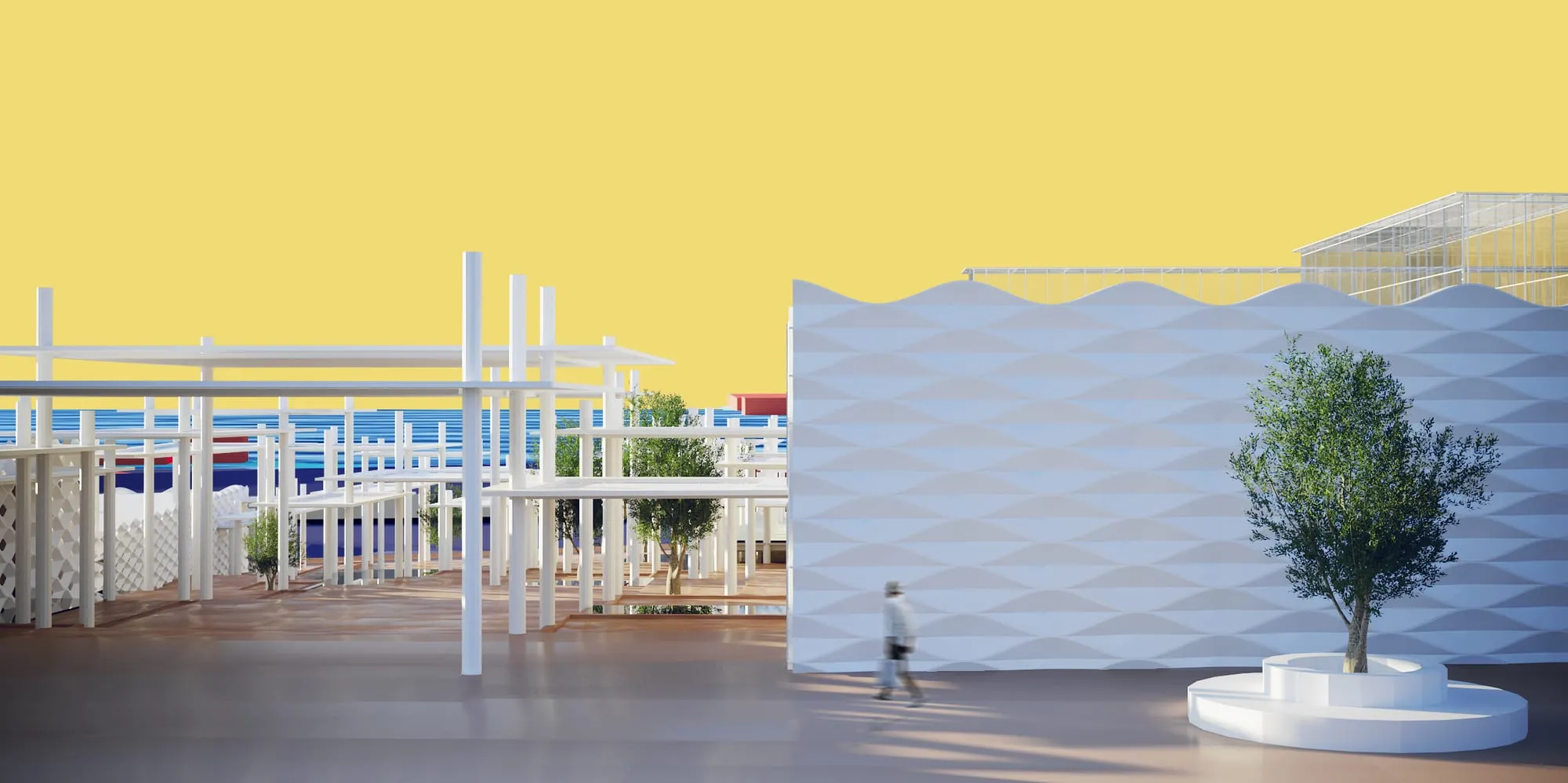
Salt is non-toxic and anti-microbial, improves air quality and needs little energy to produce; it can be recycled by grinding and re-compressing. Coated or mixed with a natural epoxy, it becomes less soluble and less corrosive. Such components resist compression far better than tension — ideal for self-supporting structures such as the façade.
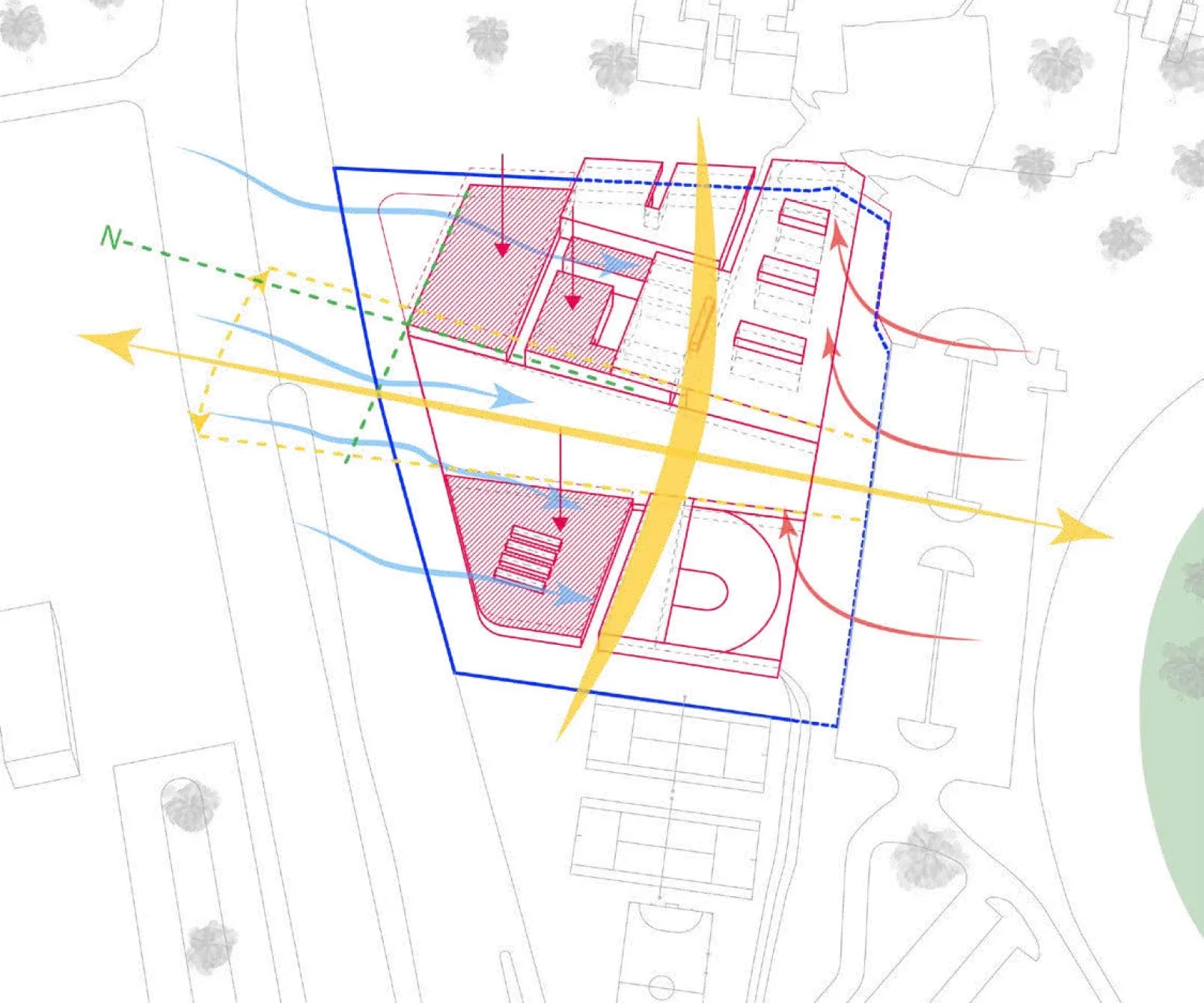
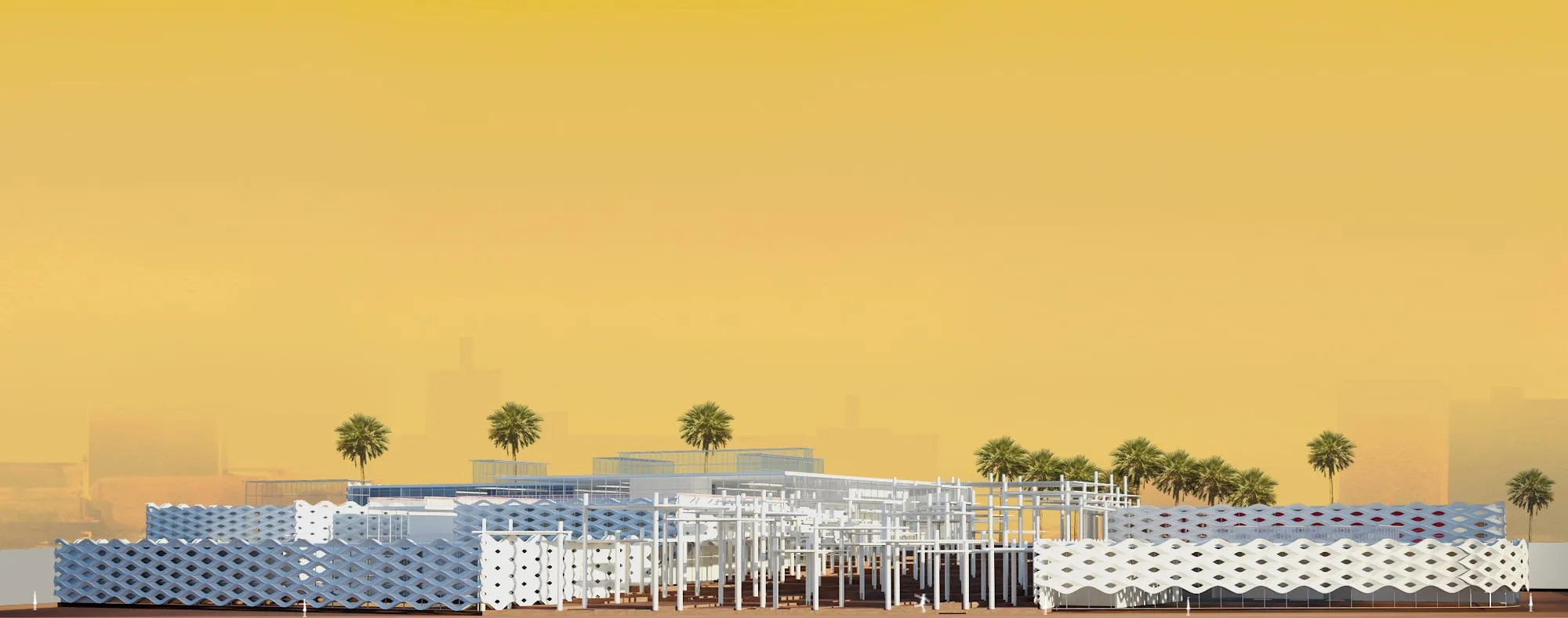
The façade borrows from domes and arches, which spread loads sideways. It shades and cools, with an open share ranging from 70% on the north to 0% on the south. The prefabricated salt skin guides cool outside air to an exhaust chimney and activates the thermal mass — a building that breathes.